

A text message purports to be from a parcel service, saying that your package is delayed. Another indicates that a delivery was unable to be completed due to an address issue. The message also contains a link and urges you to act quickly.
To millions, this situation is entirely plausible, particularly when they’re expecting a package. Sadly, it’s also one of the most common scams circulating today.
Security experts call these types of fraudulent messages “smishing,” which is a type of phishing via text messaging. Typically, they want to get people’s personal information, login details, or payment information.
Why the Scam Works So Well
The scam is successful because package deliveries are commonplace. Scammers realize that there are lots of individuals waiting for orders from retailers, shipping companies, or online marketplaces.
A message will say something like:
- Your shipment is being held.
- Please verify your address
- A delivery attempt was made, but failed
- A small fee is required to complete or reschedule the delivery.
Often, the text conveys urgency so that recipients feel compelled to click before they even give it a second thought.
The Biggest Red Flag: An Unexpected Link
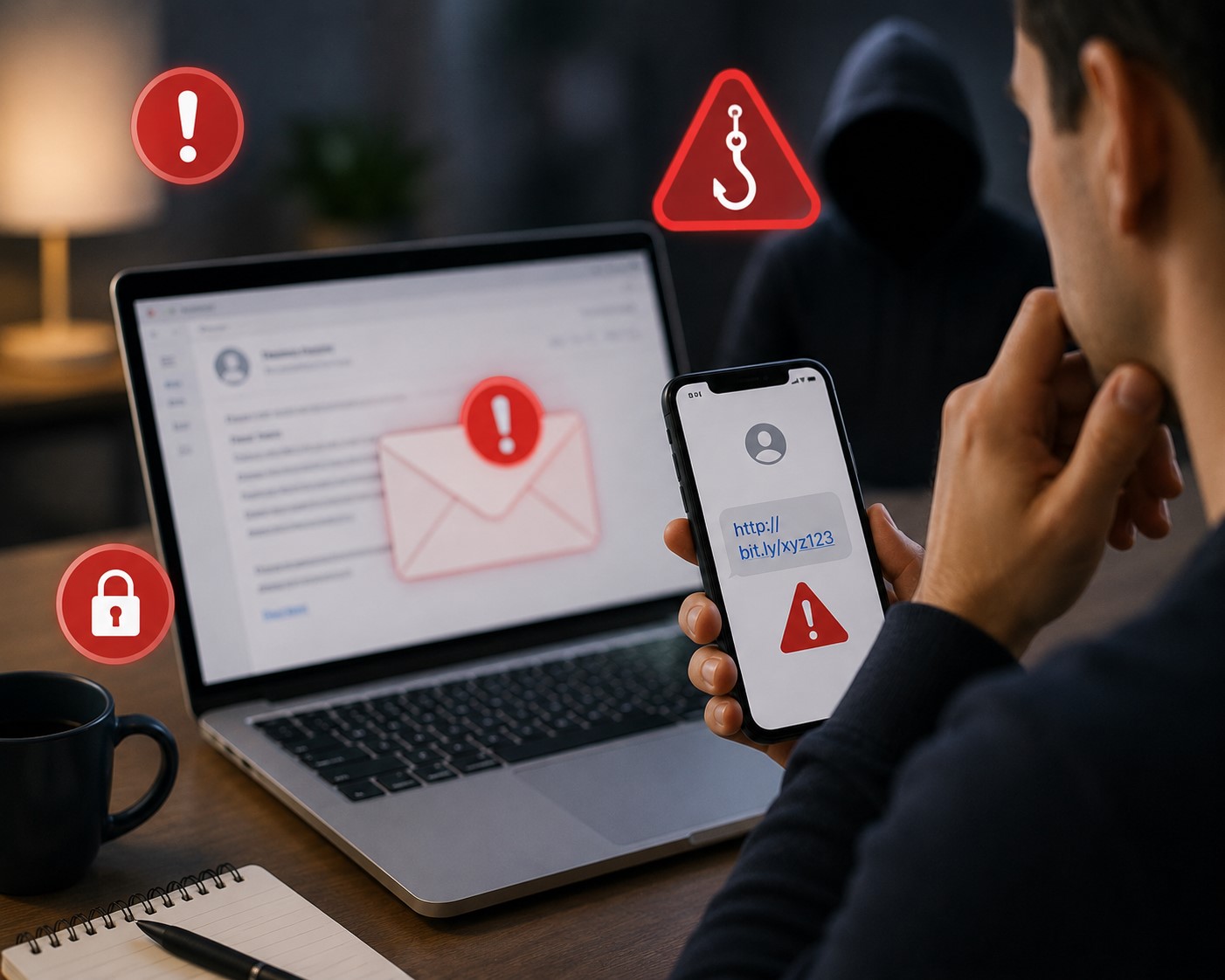
The FTC cautions customers to be highly wary of any unsolicited text messages with links.
Clicking the link in many instances will take victims to a fake website that will ask them to provide:
- Passwords
- Credit card information
- Personal details
- Account credentials
Some of the links may also be created to install malware on a device.
Do NOT click on the link in a delivery text that you didn’t expect.
What About USPS Tracking Messages?
One of the reasons that these scams are so effective is that they’re dressed up as a U.S. Postal Service or shipping company.
ADVERTISEMENT
USPS generally sends tracking texts only when a customer has requested tracking updates. USPS text messages are typically related to tracking services requested by the customer.
Be wary of any text message you receive out of the blue from USPS that requests that you click on a link.
Do not click on the link given; go directly to the shipping company’s website or app and enter your shipping number on the official site.
How to Check Whether a Delivery Message Is Real
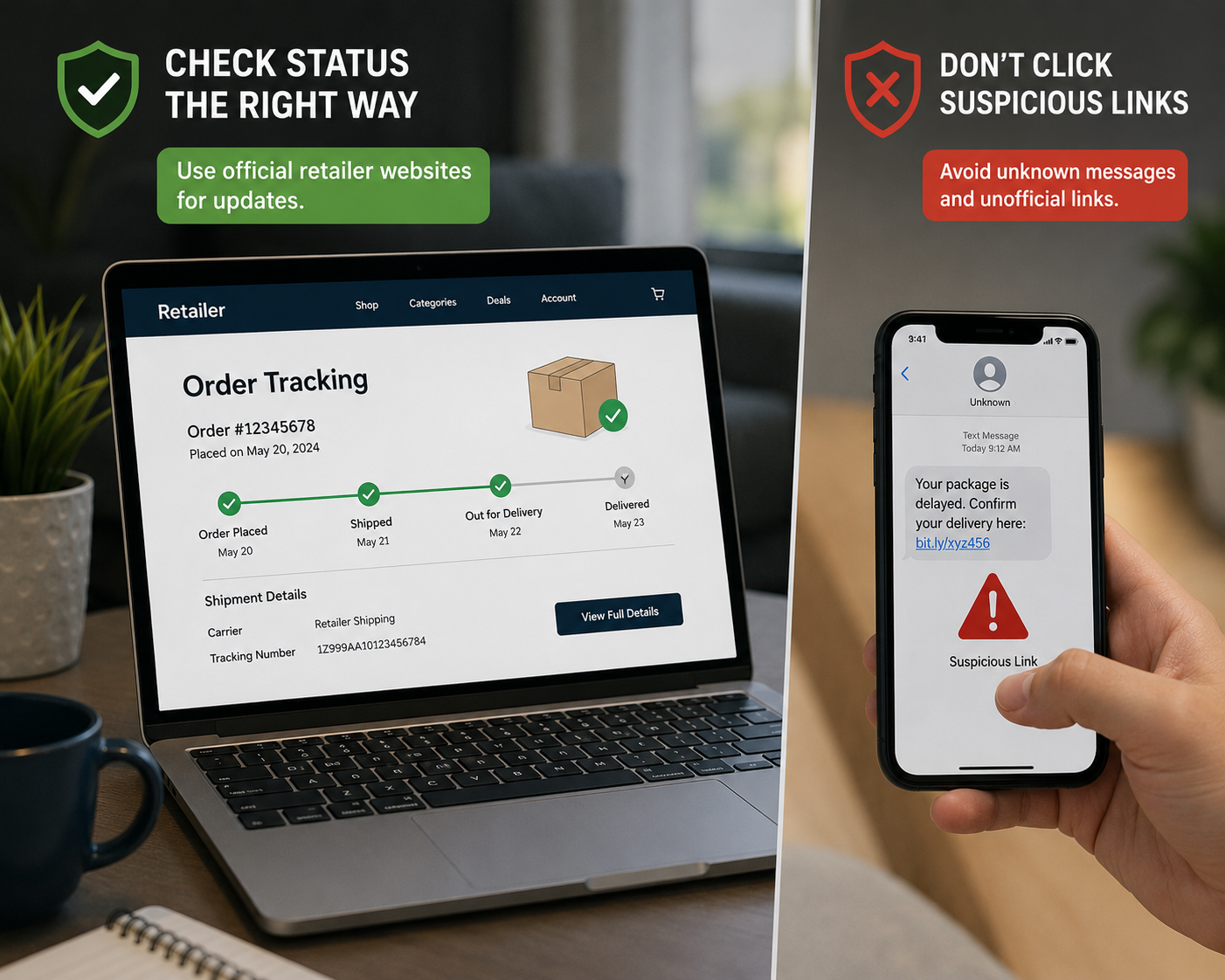
If the text is unclear, it might not be legit:
- Don’t click on any links.
- Open the retailer’s app or visit the retailer’s website.
- Check your order history.
- Check the tracking info on the official carrier’s website.
If needed, contact the carrier with verified contact information.
These steps can help you verify a shipment without putting your personal information at risk.
How to Report Scam Delivery Texts
According to the FTC, the best way to report unwanted text messages is to forward them to 7726 (SPAM). This is a free reporting service to assist mobile carriers in detecting and intercepting scam campaigns.
You can also:
- Delete the message
- Block the sender
- Report the scam to the proper consumer protection channels, such as the FTC, USPS Inspection Service.
Stay Skeptical of Unexpected Delivery Alerts
Package delivery scams are constantly changing, but the main technique is the same: to get people to click before checking.
The best answer to an unsolicited delivery text is easy: don’t click on the link, says Handy Gear. Instead, check the shipment directly through the retailer or shipping company. Some additional seconds of check can ward off stolen information, financial fraud, and account compromise.